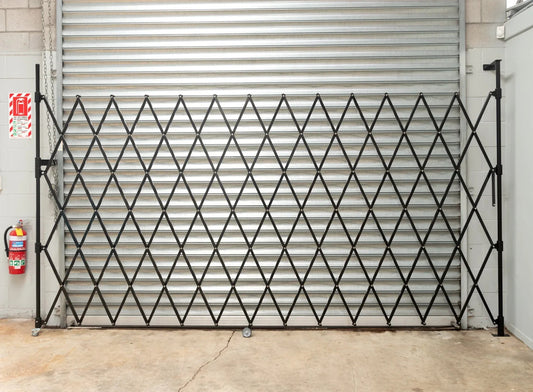
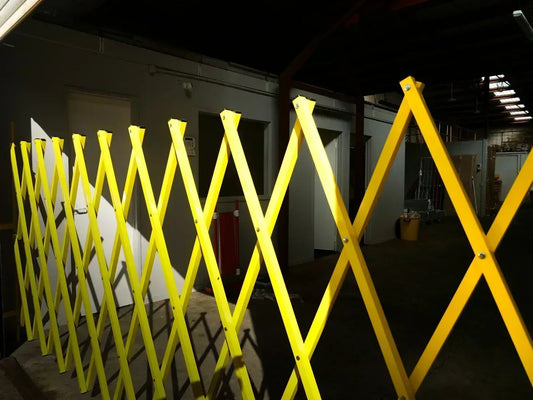
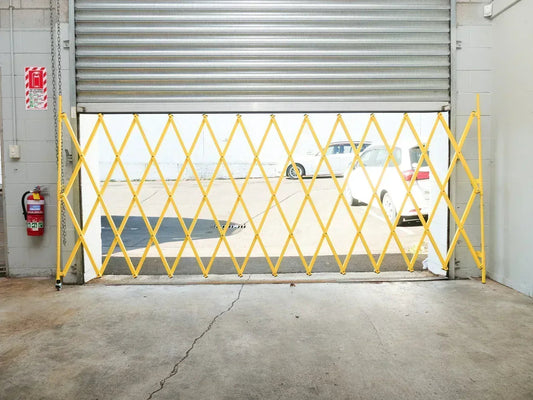
DIY Xpanda Expandable Barriers are designed for quick installation and flexible access control. They are commonly used for pedestrian management, temporary access restriction, workplace safety, and securing areas that do not require permanent barriers.
Step 1: Measure the Opening
Measure the width of the area you wish to secure and confirm that the barrier's expansion range is suitable for the opening. Common applications include:
- Driveways
- Garages
- Worksites
- Retail entrances
- Warehouses
- Restricted access areas
Step 2: Install the Fixed Side
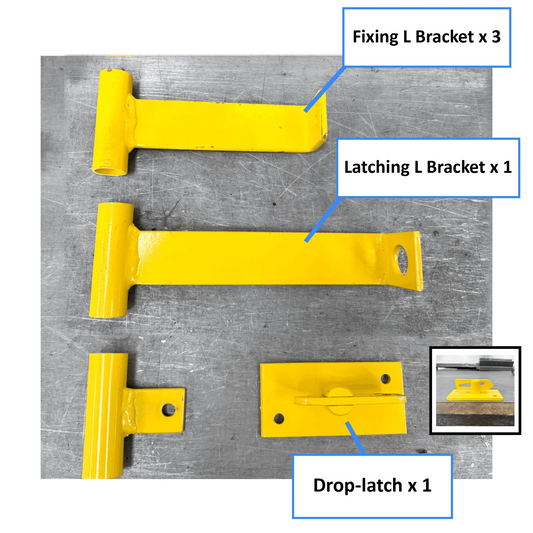
Position the fixed side of the barrier against the wall, post, or mounting surface. Using the supplied mounting brackets and fixings, securely attach the barrier to the structure. Ensure the barrier is level before tightening all fixings.
Step 3: Install the Locking Point
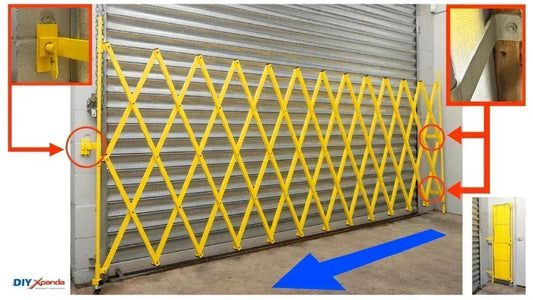
Extend the barrier across the opening and identify the locking position. Most installations use the supplied drop latch, although many customers also add a padlock for additional security and access control.
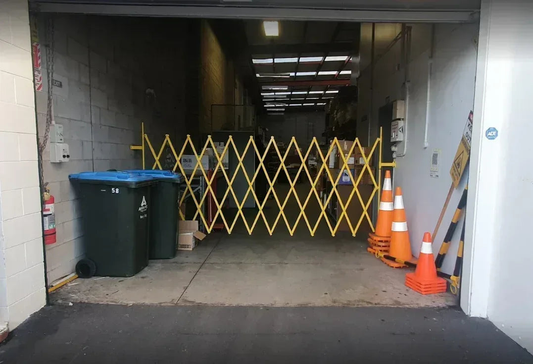
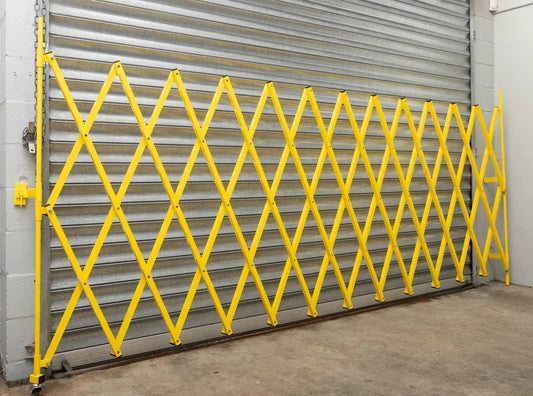
In the example here:
- The right-hand side is fixed to the wall using mounting brackets
- The barrier expands toward the left
- A drop latch is installed at the opposite end to secure the barrier when extended